Twice a year, Americans brace for the familiar disruption of Daylight Saving Time (DST). Whether we “spring forward” or “fall back,” the ritual often brings groans about lost sleep and sluggish mornings. What many people don’t realize is that this one-hour clock change also has a measurable financial consequence: higher insurance costs.
In a revealing episode of Insurance Hour, insurance expert Karl Susman explains how Daylight Saving Time affects car accidents, health emergencies, wildlife collisions, and ultimately, your insurance premiums. The effects go far beyond inconvenience—they are statistical, predictable, and costly.
Why Daylight Saving Time Exists and Why It’s Still Controversial
Before examining the insurance impact, Susman raises a question many people have asked: why does Daylight Saving Time still exist?
Contrary to popular belief, DST was not created for farmers. In fact, many in agriculture originally opposed it because it disrupted established routines. It also wasn’t created primarily to save energy—modern studies show minimal or even negative energy savings.
The practice dates back to World War I and II, when governments adjusted clocks to conserve resources and extend usable daylight. In today’s world of artificial lighting and 24-hour commerce, that justification no longer holds much weight. Yet the clock changes remain, despite widespread public frustration and growing evidence of unintended consequences.
The 7.6% Spike in Fatal Car Crashes After Time Changes
One of the most alarming effects of Daylight Saving Time is its impact on traffic safety. According to industry research cited by Susman, the week following the time change sees a 7.6% increase in fatal car crashes.
Sleep deprivation and circadian rhythm disruption reduce reaction time, judgment, and alertness. That leads to more collisions, which quickly turn into insurance claims for vehicle damage, medical costs, and liability expenses.
From an insurance standpoint, the connection is straightforward:
More crashes lead to more claims.
More claims lead to higher insurance costs.
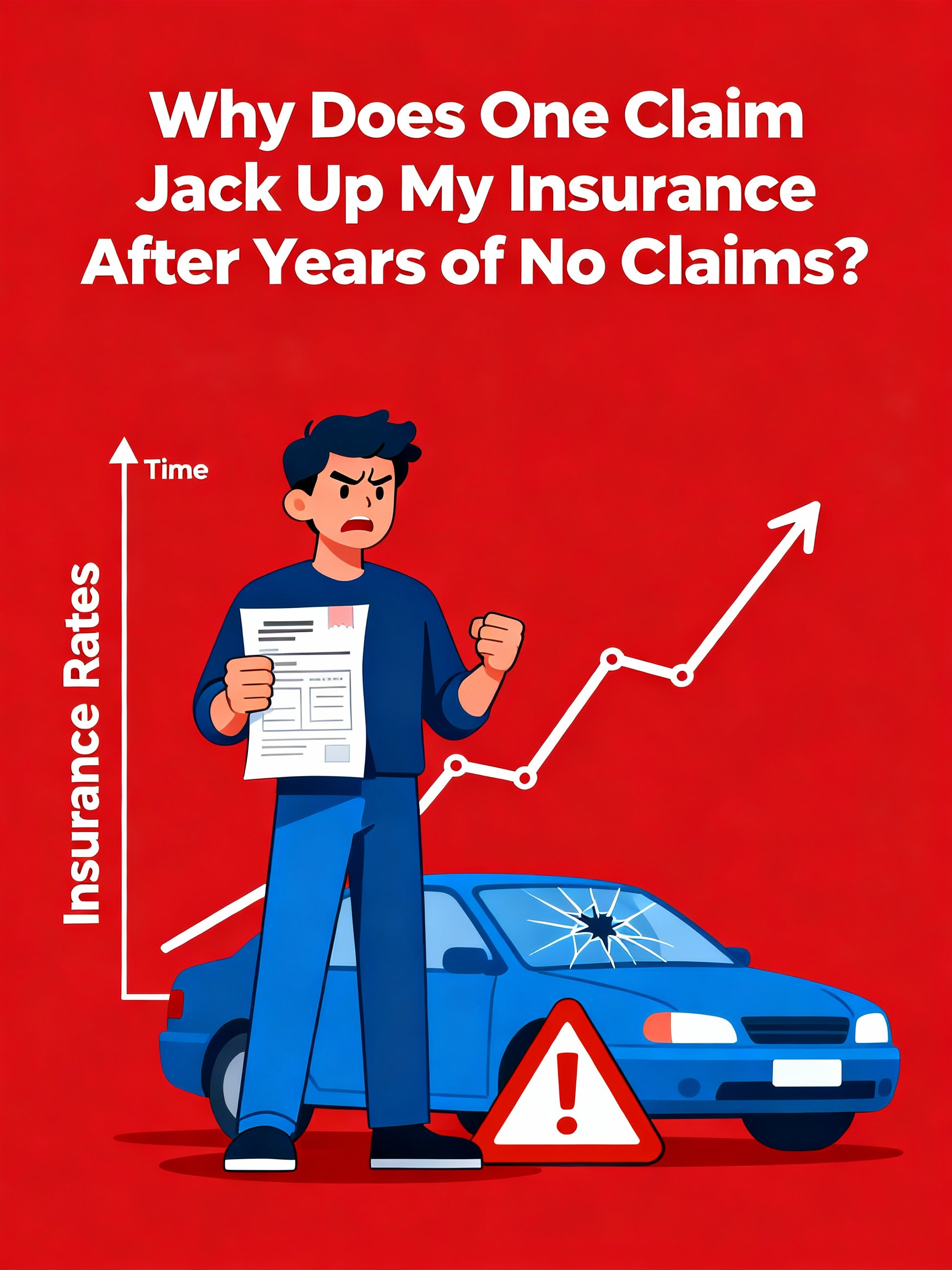
Even careful drivers are affected because auto insurance operates on shared risk pools. When losses increase across the system, premiums tend to rise for everyone.
Wildlife Collisions Surge After the Clock Shift
Daylight Saving Time also increases the risk of animal-related accidents. Susman cites data showing a 16% increase in deer collisions during the week following the time change. The second week still sees a 10% increase.
Wildlife movement is governed by natural daylight, not human clock changes. When drivers suddenly alter commuting times, they overlap more frequently with peak animal activity at dawn and dusk.
Each collision generates claims for vehicle repairs, injuries, and total losses. As these claims add up, insurers adjust their long-term pricing models—ultimately affecting consumer premiums.
How Small Time Changes Drive Big Insurance Costs
It may seem surprising that a single hour can have such a major economic impact. But insurance is built on actuarial data and probabilities. Even short-term spikes in loss frequency are built into long-term rate calculations.
The price impact may not appear immediately after each time change, but over years of recurring data, these losses become baked into broader underwriting trends. In effect, consumers end up paying—collectively—for the increased risk created by biannual clock changes.
The Health Insurance Impact: Heart Attacks Rise 24%
Daylight Saving Time doesn’t just affect auto insurance. It also drives higher health insurance claims.
Susman points to studies showing a 24% increase in heart attack hospital visits during the week after the time change. Disrupted sleep patterns are strongly linked to cardiovascular events, and DST creates a predictable shock to the body’s natural rhythm.
From an insurance perspective, this translates directly into higher medical costs, increased payouts, and long-term premium pressure within health insurance risk pools.
The Irony of Paying More Because of the Clock
Despite decades of debate, there is still no consensus on a modern benefit that justifies the risks and costs of Daylight Saving Time. Energy savings are negligible. Productivity gains are inconsistent. But the losses—in lives, injuries, and insurance claims—are very real.
As Susman bluntly puts it, consumers are quite literally paying higher insurance premiums as a direct result of changing their clocks.
The Only Area Where Claims Decrease: Robberies
There is one rare upside to Daylight Saving Time. Data shows a 7% decline in robberies immediately following the time change.
Longer daylight hours in the evening reduce the cover of darkness that criminals often rely on. While this drop in crime is real, it is not enough to offset the broader increases in traffic fatalities, health emergencies, and wildlife collisions.
What Policyholders Can Do During Time Changes
The broader lesson is that everyday behaviors can influence insurance risks in ways most people never consider. Consumers can take simple steps to protect themselves during the transition:
Be extra cautious while driving during the first week after the time change.
Avoid long or late-night drives if you are sleep-deprived.
Watch closely for wildlife during dawn and dusk commutes.
Begin adjusting your sleep schedule a few days before the clock change.
Small changes in behavior can reduce personal risk and help limit collective insurance losses.
Should Daylight Saving Time End for Good?
Susman closes with a straightforward argument: pick one time and stick with it.
From an insurance perspective, the data is compelling. Eliminating the biannual time change could prevent hundreds of deaths, thousands of accidents, and countless medical emergencies—while also reducing insurance claims and consumer costs.
Until that happens, the next time you adjust your clocks, remember this: the lost hour isn’t just costing you sleep. It’s costing you money.